PANDAG G1 in Daily Golf Course Operations
Golf course maintenance requires continuous work across different areas throughout the season. For areas such as the rough, recurring mowing needs to be managed alongside tee times, player activity, irrigation, weather, and other maintenance tasks.
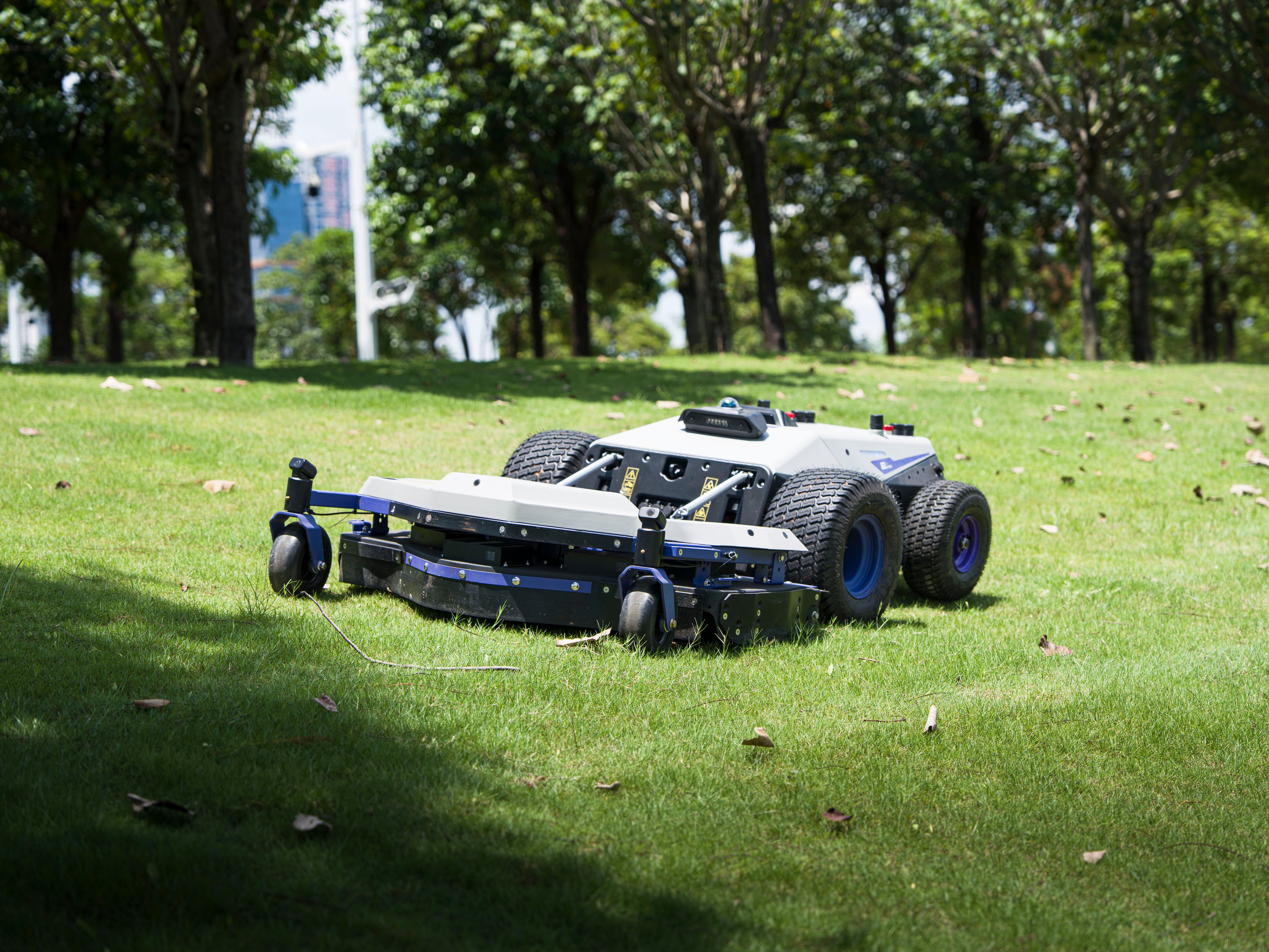
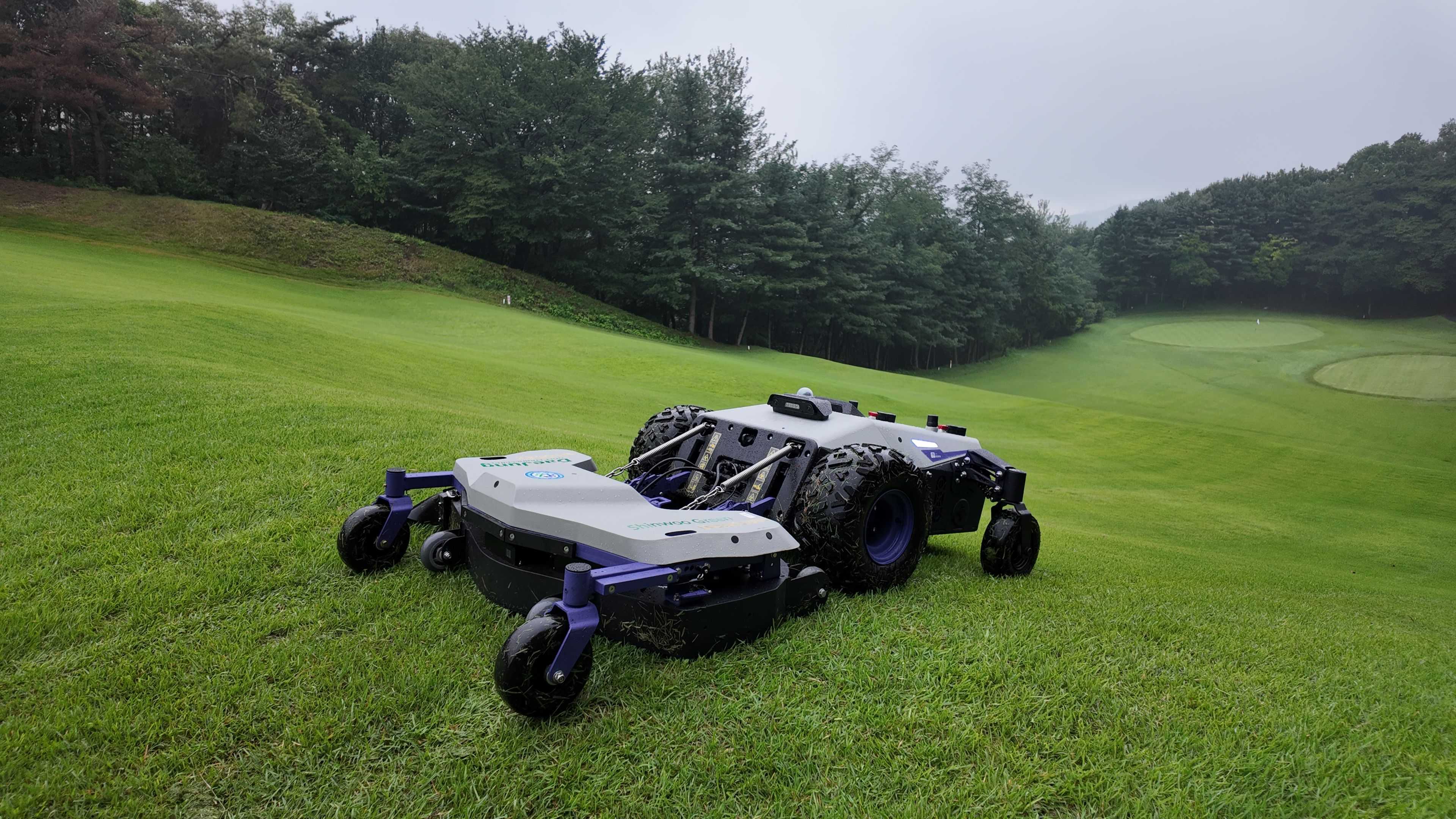
PANDAG G1 has already been deployed in real golf course environments, supporting autonomous mowing as part of on-site maintenance operations. This user case looks at the practical challenges of recurring mowing and how G1 fits into the existing maintenance workflow.
01 The Challenge
Managing Recurring Mowing Within Daily Operations
Golf course maintenance does not stop when a tournament or major event ends.
On a typical maintenance day, the course team may need to inspect turf conditions, manage irrigation, trim vegetation, prepare playing areas, and maintain different sections of the course. Mowing is one part of this wider operation.
Some rough areas may require recurring mowing while following a different maintenance routine from more intensively managed playing areas.
At the same time, mowing needs to be coordinated with tee times, player activity, irrigation, weather, and other scheduled work.
The practical challenge is not simply how to mow these areas, but how to fit recurring mowing into the wider maintenance schedule without disrupting other work.
02 The G1 Approach
Bringing Autonomous Mowing Into the Existing Workflow
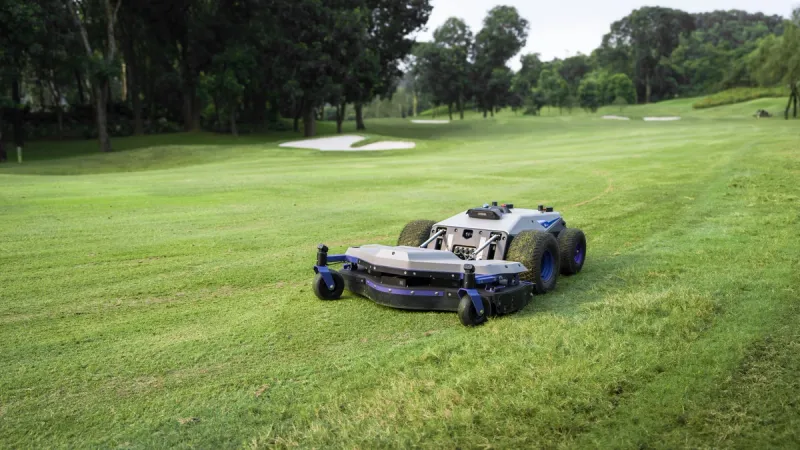
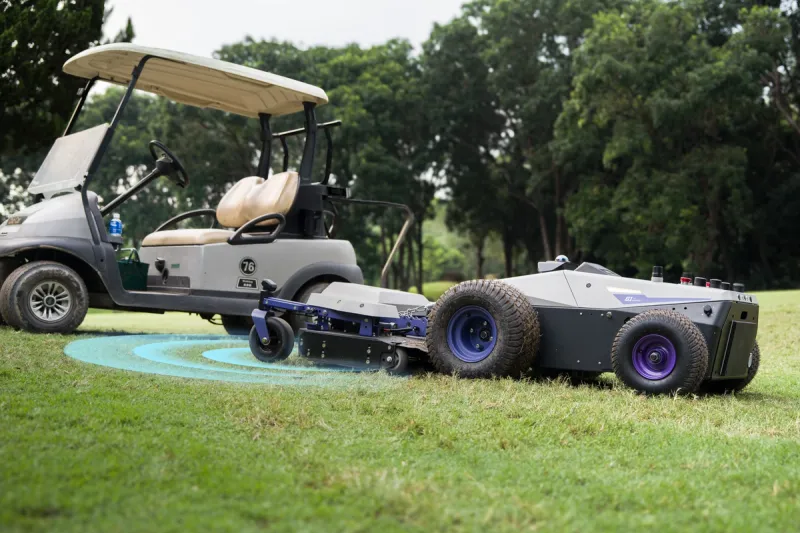
PANDAG G1 has already been deployed in real golf course environments and used for on-site autonomous mowing.
G1 is not intended to replace the entire maintenance operation. Instead, it can take on designated mowing tasks in areas where the operating conditions and maintenance requirements are suitable.
For recurring rough mowing, the maintenance team can assess the area, determine whether G1 is appropriate for the task, and select a suitable maintenance window.
Once the area and task are determined, the team prepares G1 to carry out the designated autonomous mowing operation.
This allows autonomous mowing to become part of the existing workflow rather than requiring the course to reorganize its overall maintenance operation around the machine.
03 The Operation
From Area Selection to Completed Task
In actual use, the process can remain straightforward:
Identify → Prepare → Mow → ReviewIdentify
The maintenance team identifies the area that requires mowing and determines whether the conditions are suitable for G1.
Prepare
The team prepares G1 for the designated area and task, including selecting an appropriate maintenance window.
Mow
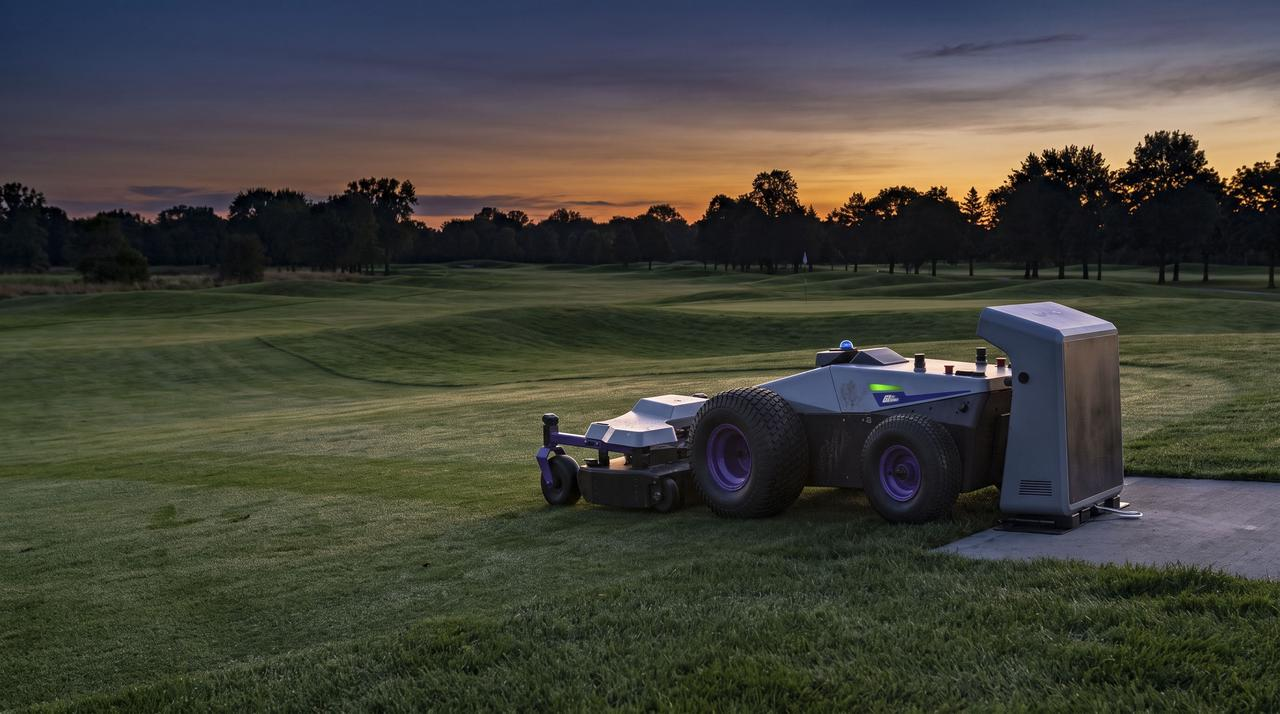
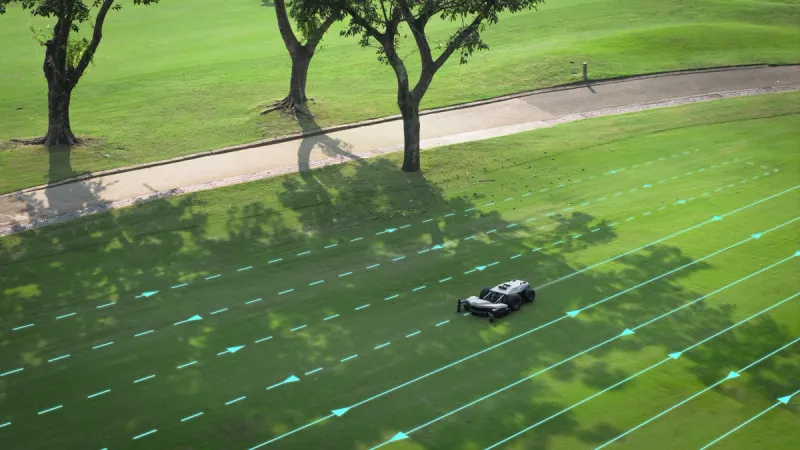
G1 carries out the assigned autonomous mowing operation within the designated area.For some operations, mowing can be arranged from the afternoon into the evening or at night, when regular course activity has reduced.
Review
After the task is completed, the maintenance team checks the area and determines whether further maintenance is required.
For recurring mowing, the same basic process can be repeated as needed, while timing and frequency can be adjusted according to turf growth, weather, season, course usage, and area conditions.
04 Working Alongside the Maintenance Team
One Task Handled While Other Work Continues
Golf course maintenance involves more than mowing.
While G1 is carrying out a designated autonomous mowing task, maintenance staff can continue working on other areas and activities, such as turf inspection, trimming, irrigation management, course preparation, or tasks that require different equipment.
This creates a clear division of work.
The maintenance team remains responsible for determining where and when maintenance is required, preparing the equipment, and reviewing the area after the task.
G1 takes on the designated autonomous mowing work and operates alongside the equipment, personnel, and maintenance methods already used by the course.
05 From One Task to a Repeatable Routine
Building a Consistent Approach to Recurring Mowing
For golf courses, the value of a recurring mowing process comes from being able to repeat it throughout the season.
The timing and frequency do not need to remain fixed. They can change according to turf growth, weather, season, course usage, and the condition of the area.
G1 does not determine when an area needs to be mowed. Instead, the maintenance team determines the task and timing, then prepares G1 to carry it out.
This creates a repeatable workflow for suitable areas:
Identify → Prepare → Mow → Review
The same process can then be applied again when further mowing is required, while the wider maintenance team continues to manage other work across the course.
06 Beyond a Single Mowing Application
A Modular Platform for Different Maintenance Needs
Golf course maintenance is not limited to mowing. Different areas and tasks may require different equipment and operating methods.
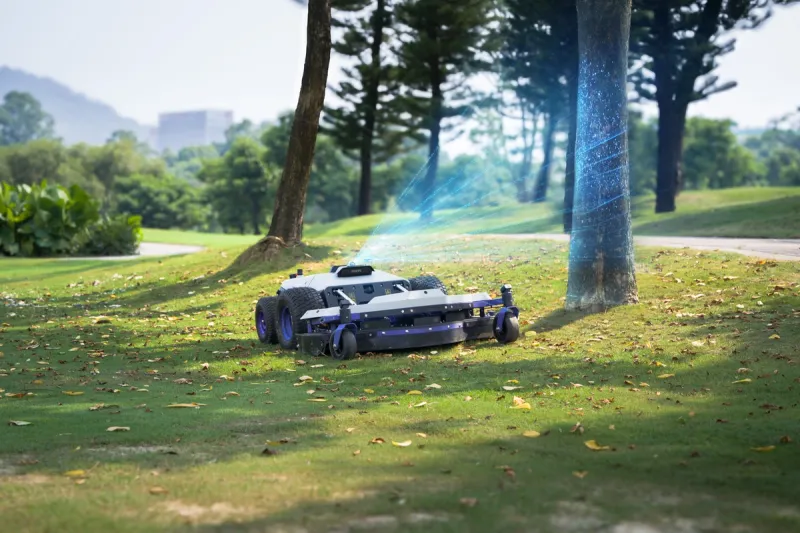
PANDAG G1 is designed as a modular commercial robotic mower, with a robotic platform that can support different mowing and maintenance applications as the attachment system develops.
For course operators, this modular approach provides a way to build on the same robotic platform as suitable applications develop, while continuing to use conventional equipment for tasks that require different tools or operating methods.
G1 can therefore start with defined autonomous mowing tasks and, as suitable applications become available, support a broader range of maintenance requirements over time.
This makes the platform part of a longer-term maintenance setup rather than a machine limited to a single type of task.