Fall Lawn Care Guide: Optimal Mowing Height & Winterizing Tips
As autumn temperatures drop, late-season turf management becomes the most decisive factor for winter survival and rapid spring green-up. A structured fall lawn care protocol tailored to specific grass species protects root crowns from freezing injury, eliminates fungal microclimates, and ensures a dense, resilient canopy.
01 Why Fall Lawn Care Dictates Spring Turf Quality
Late autumn marks a fundamental physiological shift in turfgrass. While vertical leaf elongation slows significantly, the subterranean root system remains metabolically active, storing carbohydrates and strengthening cellular walls against freezing temperatures. Understanding the distinct carbon assimilation pathways (C3 vs. C4) is essential to avoid common end-of-season mistakes:
- Cool-Season Grasses (C3): Kentucky Bluegrass, Tall Fescue, and Perennial Ryegrass experience a secondary growth surge in cool autumn temperatures (15°C to 20°C). Progressively lowering mowing height prevents snow matting without disrupting subterranean carbohydrate storage.
- Warm-Season Grasses (C4): Bermudagrass, Zoysiagrass, and St. Augustine enter dormancy when soil temperatures drop below 15°C to 18°C. Because dormant turf cannot repair itself, late scalping must be strictly avoided to retain an insulating canopy that shields stolons and rhizomes from frost.
- Core Risk Prevention: Proper species-aligned fall lawn treatment eliminates snow mold risks (pink and gray strains) in dense cool-season canopies while preventing crown desiccation and winterkill in dormant warm-season varieties.
02 Species-Specific Mowing Heights & Step-Down Strategy
Determining the ideal grass height and the best height to cut grass heading into winter requires matching cut heights directly to species growth habits (species-specific mowing height guidelines). Regardless of turf type, all height adjustments must strictly follow the one-third rule: never remove more than 33% of the total leaf blade height during a single mowing pass.
Turf Species Grass Cutting Height Chart
| Turf Category | Species Name | Standard Growing Season Height | Recommended Final Cut Height | Key Agronomic Considerations |
|---|---|---|---|---|
| Cool-Season (C3) | Kentucky Bluegrass (Poa pratensis) | 6.5 to 8.0 cm | 5.0 to 5.5 cm | Prevents blade matting under snow and eliminates fungal microclimates. |
| Cool-Season (C3) | Tall Fescue (Festuca arundinacea) | 7.5 to 9.0 cm | 6.0 to 6.5 cm | Maintained slightly higher to insulate deep crowns and support photosynthesis. |
| Cool-Season (C3) | Perennial Ryegrass (Lolium perenne) | 6.0 to 7.5 cm | 4.5 to 5.0 cm | High tiller density; requires sharp blades to avoid frayed, diseased tips. |
| Cool-Season (C3) | Fine Fescue (Festuca rubra) | 5.0 to 7.5 cm | 5.0 to 6.0 cm | Maintains sufficient canopy density to resist cold, drying winds. |
| Warm-Season (C4) | Bermudagrass (Cynodon dactylon) | 3.5 to 5.0 cm | 4.0 to 5.5 cm | Do not scalp. Raise cut by 0.5 to 1.0 cm to insulate crowns and stolons. |
| Warm-Season (C4) | Zoysiagrass (Zoysia japonica) | 4.0 to 5.5 cm | 4.5 to 6.0 cm | Preserves dense tissue to buffer soil cold and prevent spring dead spot. |
| Warm-Season (C4) | St. Augustine (Stenotaphrum secundatum) | 7.5 to 10.0 cm | 8.0 to 10.0 cm | Retains high canopy to shield stolons from low-temperature damage. |
Progressive Height Reduction Timeline (Cool-Season Turf)
- Early Autumn: Maintain standard height (7.5 to 8.5 cm) to maximize photosynthetic leaf area for carbohydrate storage.
- Mid Autumn: Drop to intermediate height (6.5 to 7.0 cm) as vertical blade elongation begins to slow.
- Late Autumn (Before Frost): Execute the final cut at target height (5.0 to 6.0 cm) through planned low mowing to establish an upright canopy that resists snow lodging and mold development.
03 Timing the Final Mow, Aeration, and Leaf Mulching
Determining the exact schedule for late-season grass care fall routines requires monitoring real-time soil and ambient temperatures rather than looking at fixed calendar dates.
When to Execute the Last Mow of the Season
- Ambient & Soil Thresholds(relieve commercial soil compaction): Daytime temperatures consistently remain below 10°C (50°F), 5 cm soil depth falls below 7°C (45°F), and vertical growth has completely ceased.
- Operating Conditions: Schedule mowing during a dry afternoon when the canopy is clear. Never mow, roll, or walk on frosted turf, as mechanical pressure shatters frozen plant cells, leaving permanent blackened tracks.
Soil Aeration & Leaf Mulching Integration
- Core Aeration Timing: Aerate cool-season lawns between September and mid-October when soil temperatures range from 15°C to 20°C to boost root depth by over 15% before ground freeze. Delay warm-season aeration until late spring.
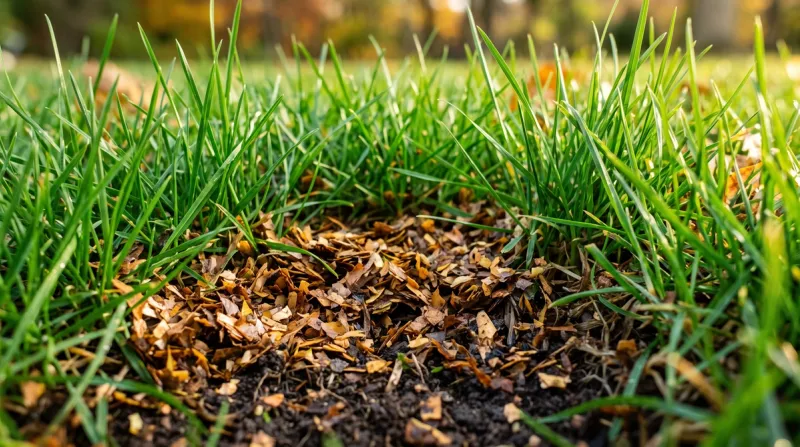
- Nutrient Recycling via Mulching: Finely shred fallen leaves with sharp mulching blades so particles drop below grass tips to decompose into natural soil carbon over winter. Keep leaf debris coverage under a 20% surface threshold to avoid smothering crowns.
04 Complete Turf and Equipment Winterization Checklist
A comprehensive approach to winterizing your lawn and preparing for proactive winter lawn care pairs agronomic canopy care with proper machinery storage to safely winterize grass ahead of hard frosts:
Field & Canopy Preparation
- Complete species-specific final step-down mowing
- Mulch dry leaves to below the 20% surface canopy threshold
- Clear hoses, outdoor furniture, and heavy objects from the turf surface
- Prohibit equipment transit and foot traffic across frosted or frozen grass
Equipment Maintenance & Storage
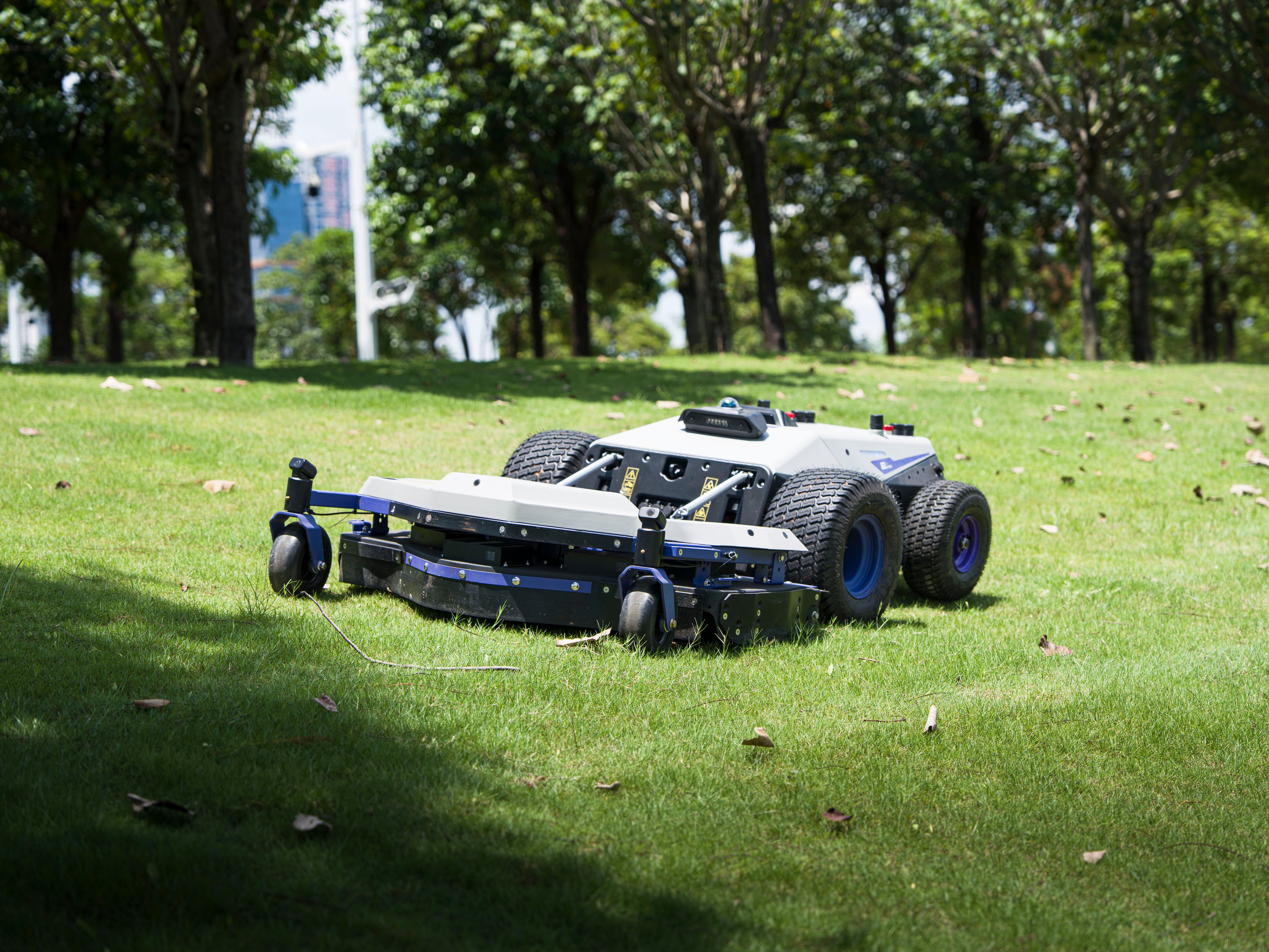
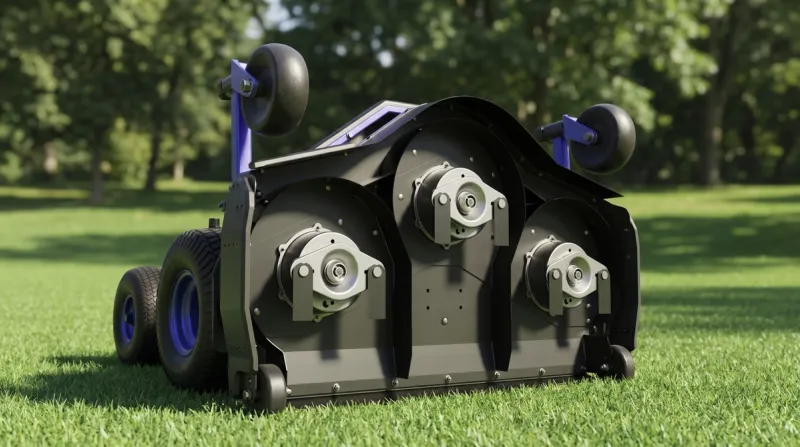
- Scrape and rinse off acidic, wet grass pulp from the mower deck underside
- Inspect, sharpen, or replace cutting blades to ensure crisp cuts that resist fungal entry
- Store lithium-ion batteries indoors in a dry space between 10°C and 20°C
- Maintain long-term battery storage charge at an optimal 40% to 60% level
05 FAQ
06 References
- Virginia Cooperative Extension. Fall Lawn Care. Virginia Tech Publication 430-520: https://www.pubs.ext.vt.edu/430/430-520/430-520.html
- North Carolina State Extension. Fall Lawn Care Tips and Tasks. N.C. Cooperative Extension: https://pender.ces.ncsu.edu/news/fall-lawn-care-tips-and-tasks/
- Utah State University Extension. Pink Snow Mold (Microdochium nivale). USU Extension IPM Notes: https://extension.usu.edu/pests/ipm/notes_orn/list-turf/d_pink-snow-mold.php
- Calcium Products Agronomy. Minimize Snow Mold Damage: https://www.calciumproducts.com/minimize-snow-mold-damage/
- Virginia Tech Crop and Soil Environmental Sciences. Fall Lawn Care: https://www.sites.ext.vt.edu/newsletter-archive/cses/2004-09/falllawn.html
- GreenPal. Fall Lawn Care: What to Do Before Winter: https://www.yourgreenpal.com/blog/fall-lawn-care
- LawnStarter. Fall Lawn Care Checklist: https://www.lawnstarter.com/blog/lawn-care-2/fall-lawn-care-checklist/