Fall Lawn Care Guide: Essential Steps to Prepare & Protect Your Turf
Proper fall lawn care is the single most important investment you can make for a lush, disease-resistant turf in the spring. As summer heat fades and temperatures drop, your grass shifts its energy from top growth down into deep root fortification. This comprehensive guide provides an actionable fall lawn care checklist covering everything from core aeration and overseeding to applying the right fall lawn fertilizer and winterizing techniques, ensuring your lawn emerges vibrant, healthy, and weed-free after winter dormancy.
01 Why Fall Lawn Care Determines Spring Success
During autumn, turfgrass transitions out of active heat defense mode into energy storage mode. Carbohydrates produced by photosynthesis are routed downward to fortify the root system rather than fueling rapid vertical leaf growth.
- Optimal Root Growth Conditions: Soil retains summer warmth while air temperatures drop, allowing roots to expand without fighting moisture loss and thermal stress.
- Weed Competition Diminishes: Summer annual weeds naturally die off, providing newly planted grass seedlings the space, sunlight, and moisture they need to establish quickly.
- Winter Hardiness: A strong, deep root matrix significantly reduces desiccation, crown freezing, and cold damage during harsh winter months.
02 The 6-Step Fall Lawn Care Checklist
Follow this prioritized checklist to ensure every phase of your autumn turf maintenance is timed and executed properly.
Step 1: Debris & Leaf Removal
Fallen leaves and dead organic matter create a thick, moisture-trapping blanket over your lawn. If left unmanaged, this blocks sunlight, suffocates the grass canopy, and creates a breeding ground for fungal pathogens like brown patch and snow mold.
Regularly rake, blow, or use a mulching mower to chop leaves into tiny pieces that naturally decompose and enrich the soil profile.
Step 2: Core Aeration
Heavy foot traffic and lawn maintenance equipment compact the soil over the summer. Aeration and overseeding in fall go hand in hand to revitalize stressed turf.
- Use a hollow-tine core aerator to pull 2 to 3 inch soil plugs.
- This relieves soil compaction, improves drainage, and creates direct channels for oxygen, water, and nutrients to reach root zones.
Step 3: Overseeding & Reseeding
Immediately following aeration, spread high-quality grass seed over thin or bare patches.
- The aeration holes create the ideal seed-to-soil contact required for rapid germination.
- Choose certified, disease-resistant seed blends that match your existing turf species.
- Keep the top layer of soil consistently moist until seedlings reach mowing height.
Step 4: Fall Lawn Fertilizer (Winterizer Applications)
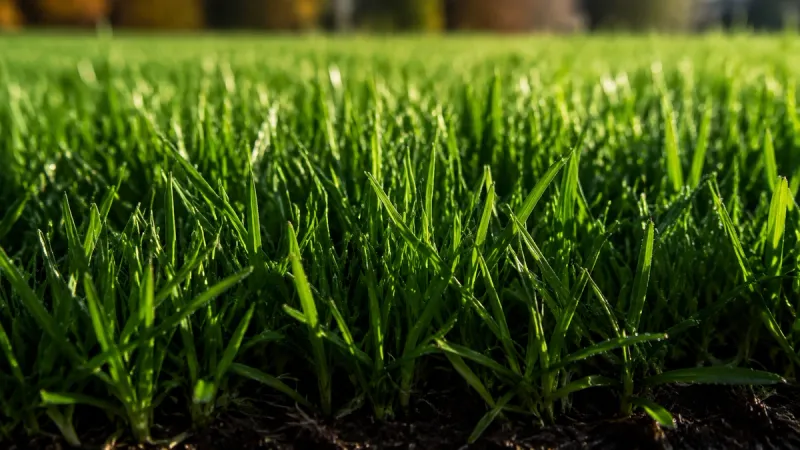
Timing your fall lawn fertilizer correctly is critical for winter survival and early spring green-up.
- Early Fall: Apply a balanced nitrogen formula to help active cool-season grasses recover from summer wear.
- Late Fall (Winterizer): Apply a slow-release nitrogen fertilizer rich in potassium (K) about 2 to 3 weeks before the first hard freeze. Potassium thickens grass cell walls, protecting crowns against freezing temperatures and disease.
Step 5: Weed Management (Fall Pre-Emergents & Post-Emergents)
Autumn is the ideal window to control tough broadleaf perennials (such as dandelions, clover, and plantain) because they are actively transporting nutrients down to their roots.
- Apply a targeted broadleaf herbicide to eliminate existing perennials.
- If you are not overseeding, apply a pre-emergent herbicide to block winter annual weeds (like Poa annua and henbit) before they germinate.
Step 6: Final Cut & Winter Watering
- Gradually lower the mowing deck: Taper the cutting height down by 0.5 inches over the last few mowings of the season. Keeping turf at around 2 to 2.5 inches prevents tall blades from matting down under snow and ice.
- Hydration before the freeze: Continue watering regularly until the ground freezes. Desiccated root systems are much more susceptible to winter-kill.

03 Cool-Season vs. Warm-Season Turf Adjustments
Not all grasses require the same autumn regimen. Adjust your maintenance program based on your turf type:
| Management Area | Cool-Season Grasses (Fescue, Bluegrass, Ryegrass) | Warm-Season Grasses (Bermuda, Zoysia, St. Augustine) |
|---|---|---|
| Primary Focus | Active growth recovery, aggressive overseeding, and feeding | Preparing for dormancy and minimizing winter stress |
| Aeration & Seeding | Prime window: September through mid-October | Skip core aeration; avoid seeding warm-season turf in fall |
| Fertilizer Strategy | Moderate to heavy feeding with late-fall winterizer | Stop heavy nitrogen 6 to 8 weeks before the first expected frost; apply potassium only |
| Mowing Adjustments | Cut consistently until growth halts completely | Allow grass to enter natural dormancy without late scalping |
04 Critical Fall Lawn Care Pitfalls to Avoid
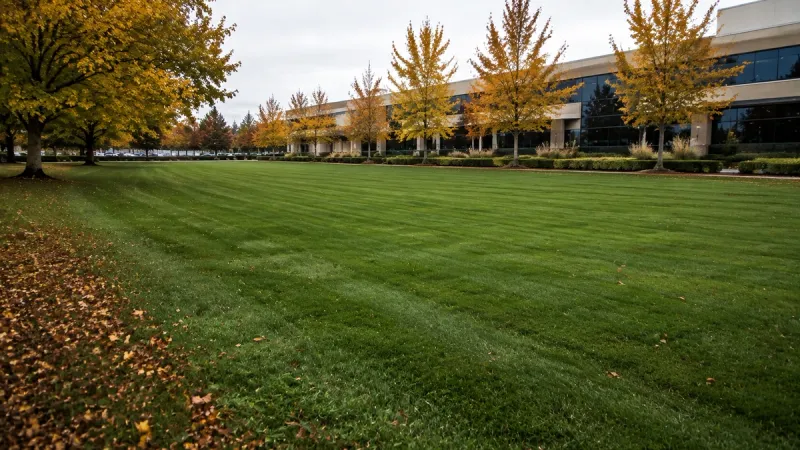
- Scalping the Lawn Too Early: Cutting the grass too short in early fall exposes the soil and crowns to late summer heat and invites weed seeds to germinate.
- Applying Heavy Nitrogen to Warm-Season Grasses Late: Late nitrogen forces tender new growth right as frost arrives, leaving the lawn vulnerable to catastrophic freeze damage.
- Neglecting Seed Moisture: New seedlings that dry out (even for a single afternoon) will fail to establish before freezing temperatures arrive.
- Leaving Heavy Piles of Mulched Leaves: While light mulching is beneficial, thick layers of chopped leaves will still mat and suffocate the turf canopy.