Commercial Lawn Mowers: 6 Applications and How to Choose the Right Type
Commercial lawn mowers are designed for professional grass maintenance across large properties and demanding working conditions. The right equipment depends on more than property size. Terrain, grass conditions, mowing frequency, cutting requirements, and operating methods all affect the choice.
01 What Are Commercial Lawn Mowers?
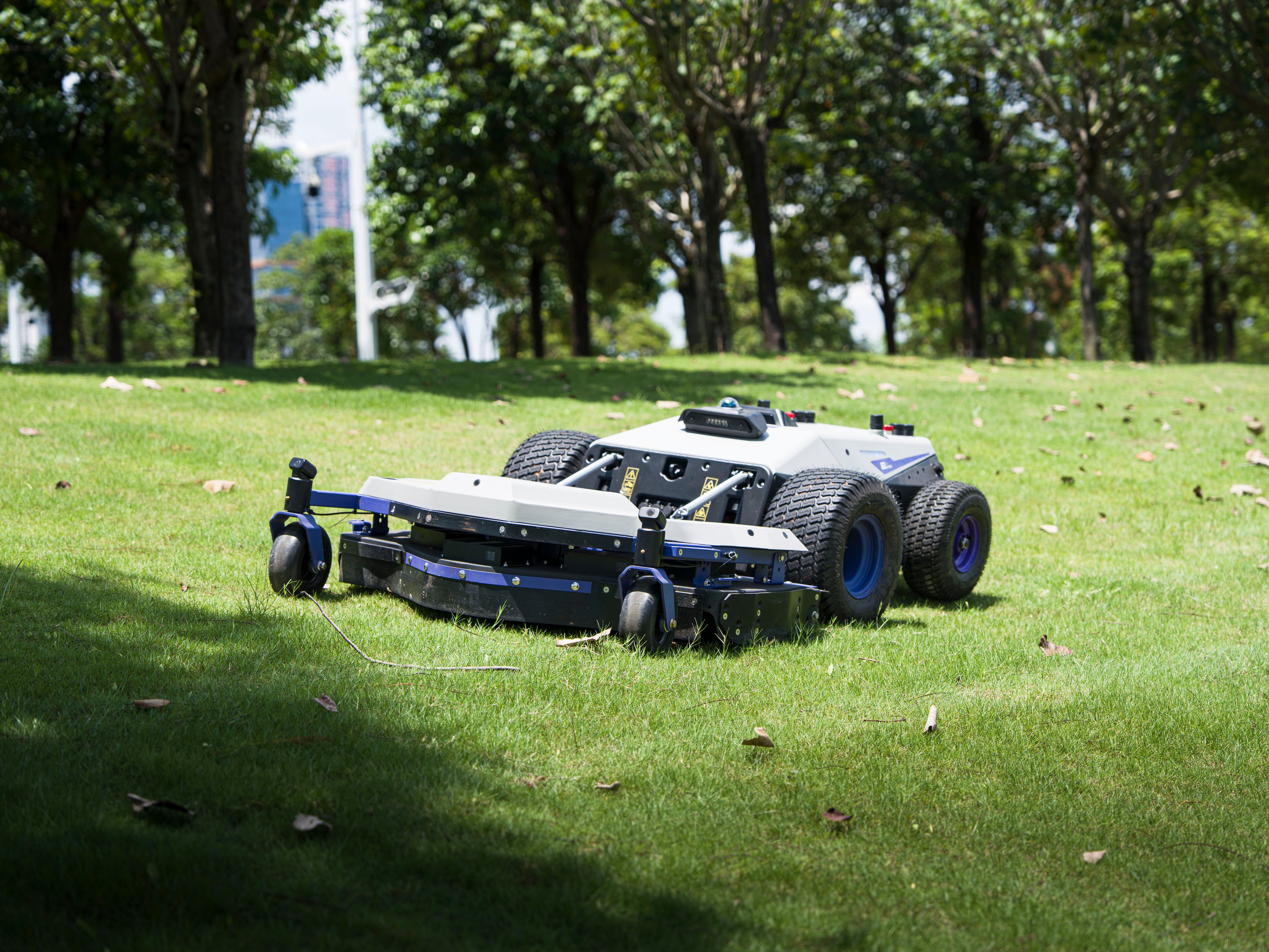
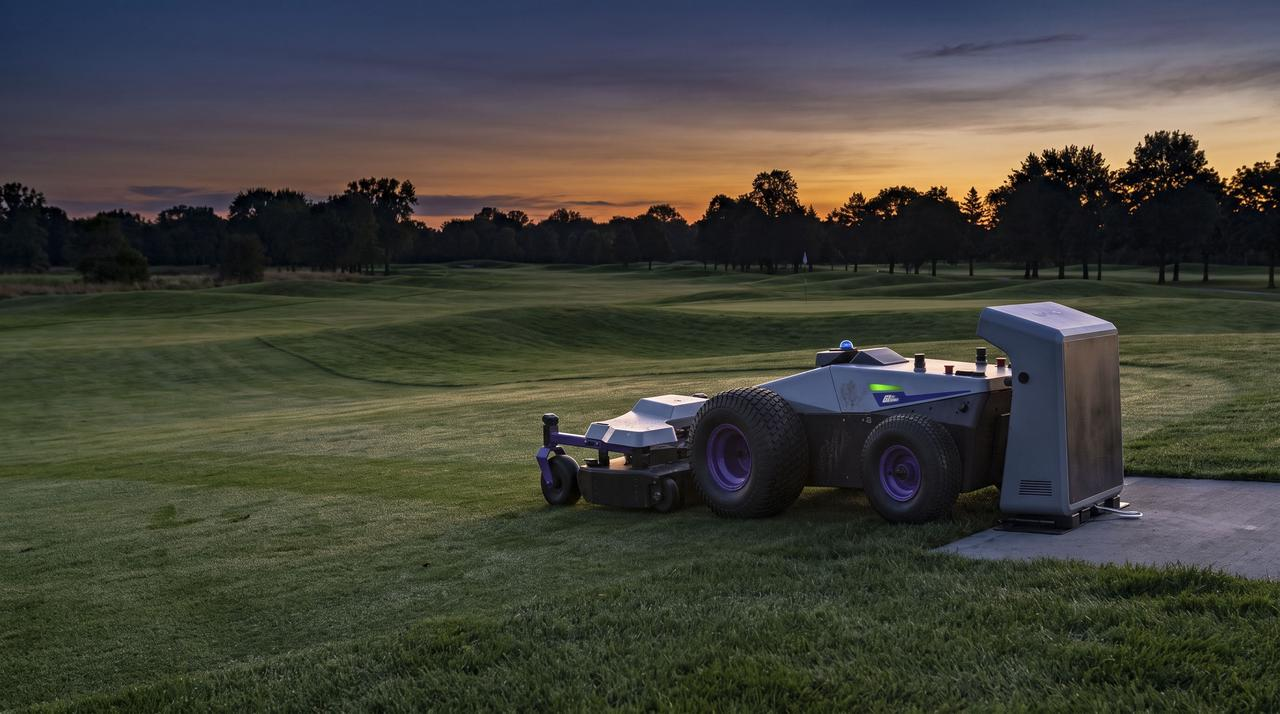
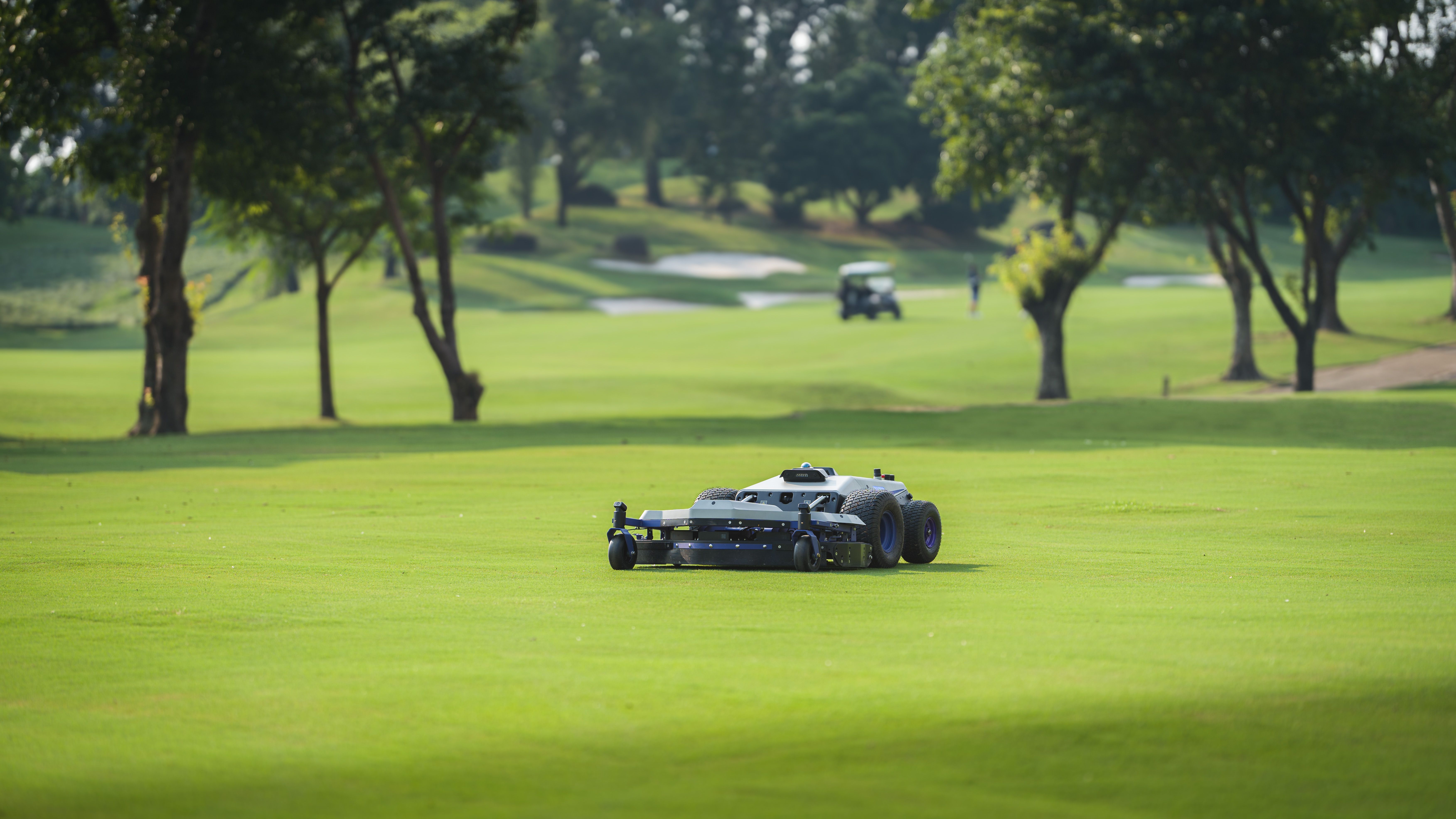
Commercial lawn mowers are built for frequent use across larger areas than residential equipment. They typically provide wider cutting decks, longer operating capability, and greater durability for demanding maintenance work.
02 6 Applications for Commercial Lawn Mowers
Golf Courses
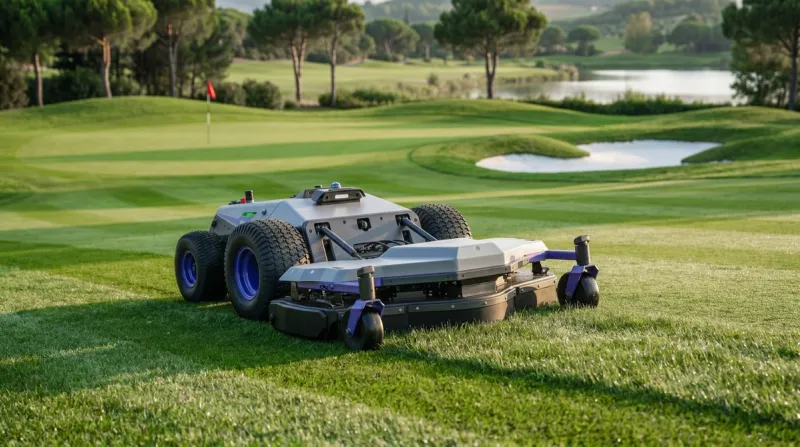
Golf courses require different mowing approaches across fairways, roughs, and other turf areas. Roughs can cover large, uneven sections with varying grass heights, slopes, trees, paths, and course infrastructure. Equipment needs sufficient terrain capability, adjustable cutting height, accurate navigation, and enough daily coverage to maintain large areas without affecting other course operations.
Public Parks, Municipal and Institutional Green Spaces
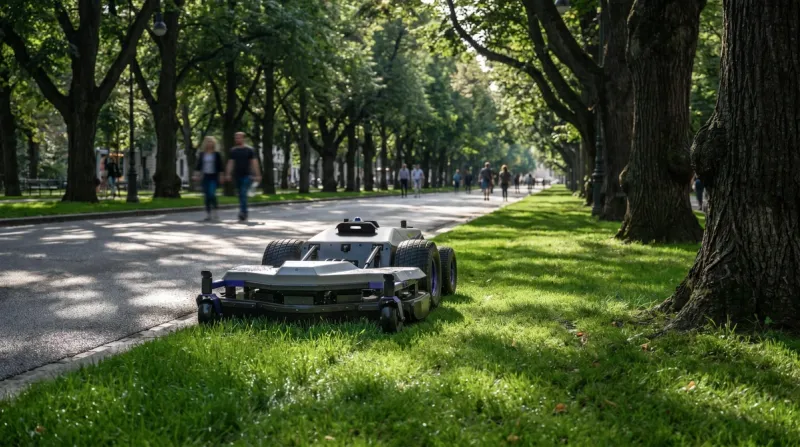
Public parks, schools, universities, and municipal properties often combine large open lawns with trees, paths, benches, buildings, and frequently used public areas. Mowing equipment needs to work around fixed obstacles while maintaining consistent cutting across different sections. For properties with multiple recurring mowing zones, mapping, scheduling, and remote monitoring can also improve operational consistency.
Sports Fields
Sports fields require regular mowing to maintain consistent turf height and playing conditions. Large open areas can favor wider cutting decks and high coverage, while field boundaries, spectator areas, equipment, and other facilities require controlled operation. For frequently maintained fields, predictable mowing schedules and consistent cutting performance are especially important.
Solar Farms
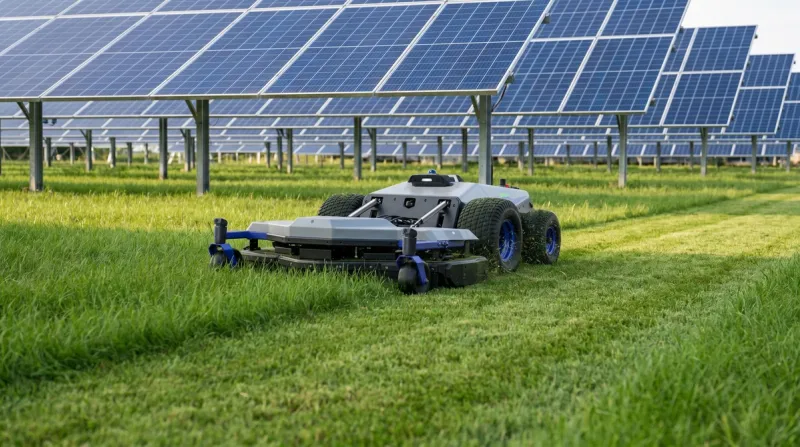
Solar farms present a combination of large grass areas, narrow spaces between panels, uneven ground, and fixed infrastructure. Solar panels can also obstruct satellite signals in some areas, making reliable positioning and navigation more challenging beneath or between panel rows. Mowing equipment should therefore combine accurate positioning with obstacle detection and sufficient maneuverability, while maintaining vegetation at a suitable height around the panels and access routes.
Horse Farms
Horse farms can involve extensive grass areas where terrain, grass height, and animal activity vary throughout the property. Mowing equipment needs enough ground coverage and cutting-height flexibility for regular maintenance, while stable operation and reliable obstacle detection are important when working around horses, fencing, gates, farm roads, and other facilities.
Large Estates and Resorts
Large estates, resorts, and campuses often contain multiple lawn types and landscape zones rather than one continuous mowing area. Equipment may need to move between open lawns and more complex areas containing trees, paths, buildings, landscaping, and other features. Maneuverability, adjustable cutting height, and the ability to manage different mowing zones can therefore be more important than maximum cutting width alone.
03 Why Consider Autonomous Mowing for Large Properties?
For large properties with recurring and predictable mowing tasks, autonomous mowing can reduce the need for continuous on-site machine operation. Depending on the system, predefined work areas, scheduled mowing, automatic charging, and remote monitoring can support routine maintenance.
04 How to Choose the Right Commercial Lawn Mower
Start with the actual conditions of the property rather than choosing based on cutting width or rated acreage alone.
- Area and daily coverage: Calculate the total mowing area and how often it must be cut. A mower's rated coverage should be compared with the site's real grass conditions and operating schedule.
- Terrain: Check maximum slopes, uneven ground, wet areas, and transitions between different surfaces. Terrain capability should match the actual working environment, not just the property's average conditions.
- Grass and cutting requirements: Consider grass species, typical height, density, and required cutting height. Frequently maintained turf may require different equipment from tall or overgrown grass.
- Obstacles and site layout: Trees, paths, buildings, poles, fences, and other fixed features can affect both working efficiency and navigation. For autonomous equipment, mapping and obstacle detection become particularly important.
- Operating time and charging: Consider how much area must be covered per day, available operating windows, charging time, and whether battery swapping or automatic charging is practical for the site.
- Maintenance and support: Evaluate blade maintenance, battery service, spare parts, software support, and access to technical assistance. Equipment availability is only one part of long-term operating cost.
05 When Should You Consider an Autonomous Commercial Mower?
Autonomous equipment is worth considering when mowing areas are large, recurring, and clearly defined. It can be particularly useful when the same zones require frequent maintenance and the site can be accurately mapped. Irregular areas or tasks requiring frequent intervention may still benefit from conventional equipment.
06 Commercial Lawn Mowers vs. Autonomous Mowers
Conventional commercial mowers offer flexibility and direct operator control, making them suitable for varied or irregular tasks. Autonomous mowers are designed for recurring work across suitable mapped areas. The better choice depends on the property, mowing requirements, and preferred operating model.
07 FAQ
Does a larger cutting deck always mean better performance?
Not necessarily. A wider deck can increase coverage on open ground, but smaller or more maneuverable equipment may be better around trees, paths, structures, and other obstacles.
How does grass height affect mower selection?
Tall, dense, or infrequently maintained grass generally requires more cutting capacity than regularly maintained turf. Cutting height range and power should therefore match the site's typical conditions.
What makes autonomous mowing suitable for large properties?
Autonomous mowing is most suitable for repeatable work in clearly defined areas. Mapping, navigation, obstacle detection, scheduling, charging, and remote monitoring should all be considered together rather than evaluating automation by itself.